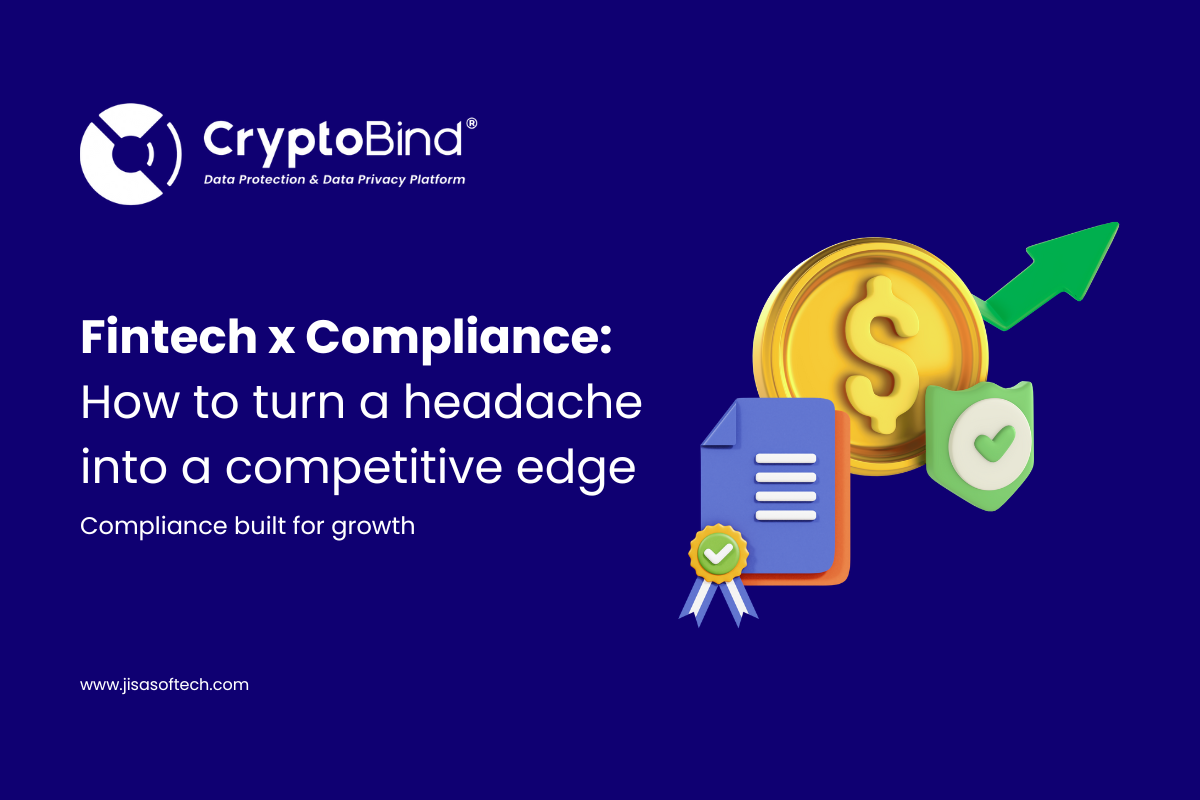
Fintech x Compliance: How to turn a headache into a competitive edge
Compliance is no longer an empty regulatory requirement, but it is a business necessity in the era of digitalizing financial services. It is thus as seen by most fintechs that compliance fintech remains a cost centre, a hurdle to be dealt with instead of an instrument to become used.
But this mindset is outdated.
With a more intense regulatory environment and the increasing demands of customers, future-focused fintechs are recognizing that in-house compliance is a competitive differentiator, generating confidence, rapidly deploying to markets, and optimizing scalable innovation. That is when regulatory technology, automation, and strategy come together to have rewritten the story of compliance.
Why Compliance Matters More Than Ever
Compliance is no longer just about avoiding penalties. In today’s ecosystem, it’s about enabling:
- Trustworthy customer experiences
- Faster partnerships with banks and regulators
- Protection against fraud and cyber threats
- Scalable operations in regulated markets
Regulations are changing at the pace GDPR, RBI, ISO 27001, PSD2, and open banking standards and fintechs have to be agile and responsive. Automation of compliance and alignment in strategic purpose with financial services regulation are not the shackles of speed and sustainability, but the unlockers.
Turning Compliance from Friction into Fuel
Trust as a Differentiator
According to the surveys, more than 70% of the fintech customers rate security and adherence to regulations as their primary factors when selecting a digital financial product. Customers are attracted to what they feel safe with especially in a world that is full of apps, APIs and platforms.
The compliance strategy of a fintech company has a direct impact on brand trust because it directly affects areas such as digital onboarding, loans, payments, wealth technologies.
Global Expansion
Working in various jurisdictions, the fintechs need to comply with the acts related to the KYC, data storage, fraud prevention, AML among others, peculiar to their region. The global scaling will be simplified by Agile compliance, as well as foreign investors and partners.
API Compliance in the Open Finance Era
Open Banking in the UK, the Account Aggregator in India and DIFC regulations in the UAE are just some of the options that have been trying to push fintech to be compliant to APIs without compromising customer data sharing. Interoperability designers have access to larger ecosystems and sources of monetization.
Real-World Scenarios: When Compliance Enabled Growth
Case 1: Digital Onboarding Acceleration
A digital lending company in India experienced a 30% customer decline due to delays caused by the manual process of conducting the KYC and the increasing cases of fraud. Adopting eKYC that was combined with facial matching and Aadhaar checking, and alignment with compliance automation frameworks allowed the startup to minimize fraudulent activities by 40%, increase the speed of loan approval by a factor of 3, and re-gain the users trust. The solution? Smart, frictionless, compliant onboarding.
Case 2: Open Banking Meets Regulation
Synapse API Plug-in The fintech budget planner with integration to various banks has had API compliance issues in the Account Aggregator ecosystem in India. They redesigned their API architecture to comply with the RBI rules and cybersecurity policies, and after receiving the authority of three major banks, they started receiving a new B2B income stream and secure data movement.
Case 3: Global Compliance for Crypto Expansion
One crypto-payments company wanted to enter Singapore and the UAE but did not know how to negotiate MAS and DIFC information regulations. They had ventured into regulatory technology, structured reporting and localized KYC flows earlier in preparation which enabled them to be licensed within six months compared to some of their other more financially well-endowed competitors.
These examples show that regulatory challenges in fintech are surmountable, not by slowing down innovation, but by aligning it with compliance from the start.
Common Compliance Challenges in Fintech
Fintechs face a mix of external and internal hurdles:
- Constantly evolving fintech regulations across borders
- Lack of internal compliance expertise in early stages
- Fragmented KYC, AML, and onboarding workflows
- Cybersecurity risks tied to rapid scaling and API exposure
- Audit fatigue and reporting overload without automation
These are real risks. But they’re also real opportunities, if tackled with the right strategy and tools.
Where CryptoBind Comes In
CryptoBind helps fintechs navigate this complexity with practical, future-ready solutions. Their approach is not just tech-driven, it’s outcome-driven. Here’s how they support compliance without stalling innovation:
- RegTech Solutions for faster compliance integration across fintech stacks
- Secure Digital Onboarding tools with eKYC, biometric match, and fraud detection
- API Integration & Security support for open banking, NBFC, and Account Aggregator models
- Cybersecurity Frameworks aligned with ISO, SOC2, PCI-DSS standards
- Advisory Services that help you design compliance strategies tailored to product goals
CryptoBind doesn’t just help you comply; they help you compete smarter in regulated environments.
Compliance Is the New Product Feature
Compliance is no longer a back-office cost because it is fast-changing and in a world where fintechs can launch in weeks and competition and change in real-time. It’s front-and-center. Data protection, fraud controls, and regulatory transparency are some of the areas that customers, investors, and partners use to evaluate the seriousness of fintechs.
Trust is not the only reward that you can achieve when you implement compliance as one of the design criteria of your product; you access substantial business advantages too. It will cause regulators and partners to approve you more quickly, less risk of being down during audits or budget penalties, improved resiliency in your tech stack, and general reputation increase in the marketplace.
Final Word: Think Compliance, Think Competitive Edge
A fintech company that builds in 2025 is a compliance company. Those that do it well are not only compliant, they are more trusted, more scalable and more ready to be investable.
The next fintech leaders are going to be not faster, but safer.