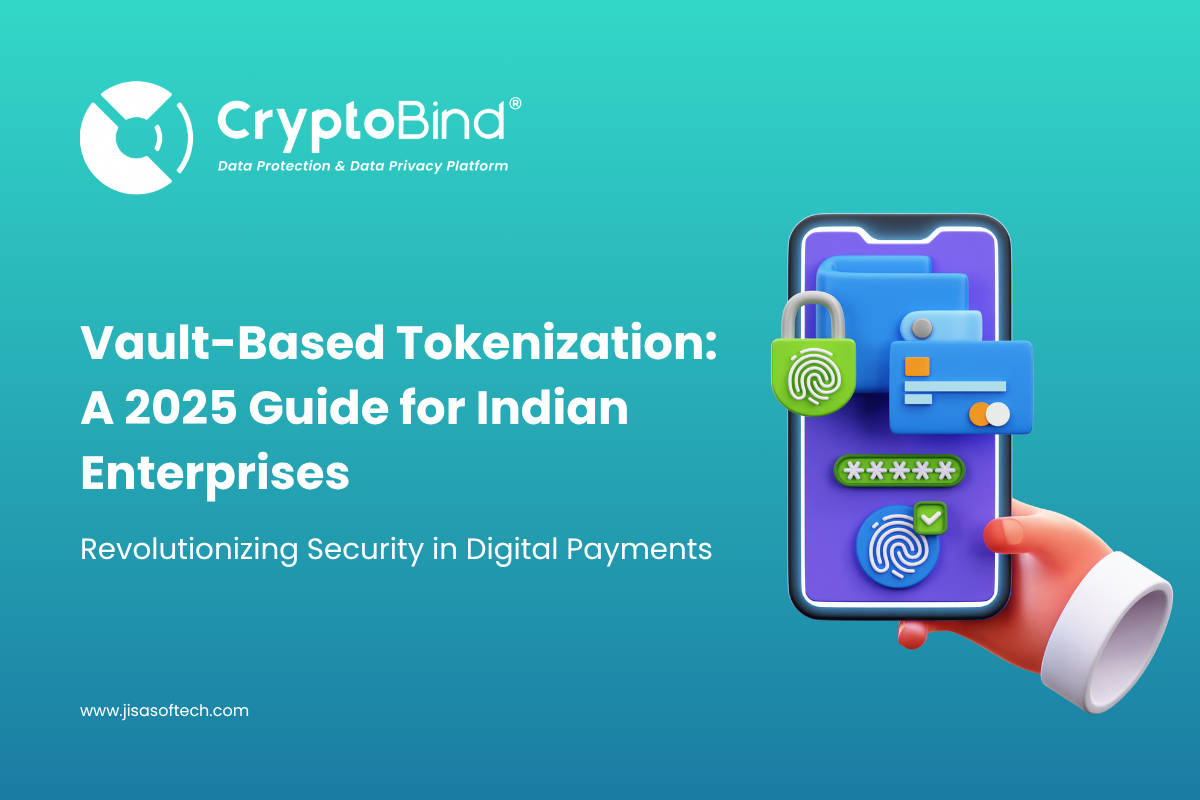
Vault-Based Tokenization: A 2025 Guide for Indian Enterprises
Cashless transactions in India are experiencing a boom with a different government initiative and preference by consumers among the reasons. That growth, though, has been marked by serious difficulties as well especially when it comes to protecting credit sensitive payment data. Vault-Based Tokenization is thus a trusted answer to these emerging challenges, being fortified by powerful security for defenders of digital transactions. This post helps you lowdown the significance, implications and advantages of vault-based tokenization to an Average Indian Enterprises in 2025.
What is Vault-Based Tokenization
Vault-Based Tokenization is a data security measure wherein credit card numbers and other payment information pertaining sensitive details replaced by one-time use tokens. Those tokens are claimed in this centralized vault. For cybercriminals, it is also useless because unlike encryption, tokenization never permits original data to be understood from the token.
Core Features of Vault-Based Tokenization:
- Data Replacement: Sensitive information is substituted with randomized tokens.
- Centralized Storage: All original data is stored securely in a token vault.
- Compliance Friendly: Helps businesses meet regulations such as PCI DSS with ease.
The Importance of Tokenization for Indian Enterprises
India’s digital economy is experiencing exponential growth, fueled by systems like UPI, digital wallets, and net banking. However, this surge in digital payments also heightens the risk of cyberattacks and data breaches. For Indian enterprises, implementing secure systems is critical for sustaining customer trust and regulatory compliance.
Key Benefits of Tokenization for Indian Enterprises:
Tokenization for Indian enterprises has significant advantages that come out of a vault-based tokenization system. For instance, it ensures enhanced payment security that eliminates sensitive data in favor of tokens — meaningless to unauthorized users that also eliminate the risk of data breaches and unauthorized access. Second, this lightens the Compliance load by giving a compressed Scope (decreasing amount of sensitive data residing within enterprise systems) for highly granular regulation such as PCI DSS. Most importantly it immensely enhances customer trust, as encrypted data make customers feel comfortable with their payment provided by an enterprise and hence strengthening customer confidence on digital payment systems.
Tokenization in India: The Current Scenario
India saw the introduction of tokenization post RBI ruling on card tokenization as a way to strengthen payment security. This move has pushed enterprises to evaluate and implement the tokenization technologies. Although vault-based tokenization adoption is still in early stages, the scalable & low-cost implementation spaces has made it an attractive solution for businesses.
Steps to Implement Vault-Based Tokenization
For Indian enterprises considering vault-based tokenization, a structured implementation strategy is essential:
- Identify Business Needs: Assess the volume of transactions and the nature of sensitive data handled.
- Select a Trusted Provider: Partner with a provider specializing in secure payment tokenization solutions.
- Integrate Systems: Ensure compatibility with existing payment platforms and CRM systems.
- Train Stakeholders: Educate employees on the importance and functionality of tokenization.
- Regular Audits and Upgrades: Continuously monitor and enhance the tokenization system to address evolving security challenges.
Key Considerations for Indian Enterprises
When implementing vault-based tokenization, enterprises should focus on the following:
- Scalability: Ensure the system can handle increasing transaction volumes efficiently.
- Cost Management: Balance security needs with budgetary constraints.
- Regulatory Compliance: Stay updated with requirements like PCI DSS and RBI guidelines.
- Vendor Reliability: Choose vendors with proven expertise and reliable support services.
Advantages of Vault-Based Tokenization
Vault-based tokenization offers numerous advantages for Indian enterprises, including:
- Data Security: By replacing sensitive data with tokens, enterprises significantly reduce the risk of breaches.
- Simplified Compliance: Tokenization reduces the scope of PCI DSS audits, saving time and resources.
- Fraud Prevention: Even if tokens are intercepted, they cannot be used fraudulently.
- Customer Confidence: Demonstrating robust security practices enhances brand reputation.
- Operational Efficiency: Reduces the complexity and cost of managing sensitive payment data.
Challenges in Adoption
There are big things to consider in terms of the implementation of vault-based tokenization, although it has great benefits. A primary hurdle is the high initial investment required to establish a secure and efficient tokenization system, which can be a significant financial strain for some enterprises.
Also, integration issues are inevitable as businesses require effective and simple tokenization solutions that integrate with the payment platforms currently in use.
The other problem is regulatory grey areas as the Compliance landscape is kind of a moving target, like you have PCI DSS and the RBI that need to nearly be adhered.
Repeatedly, vendor dependence has its downsides in that using a large focal point provider for all tokenization solutions runs the risk of operational weaknesses should provider perform poorly or not deliver on the decked standards.
Trends Shaping Vault-Based Tokenization in India
- AI-Driven Enhancements: AI-powered tools are being integrated into tokenization systems to predict and prevent security threats.
- Cloud Solutions: The adoption of cloud-based token vaults is on the rise, offering scalability and remote access.
- Blockchain Technology: Blockchain’s decentralized architecture provides tamper-proof tokenization solutions.
- Global Payment Security: Indian enterprises are focusing on tokenizing cross-border transactions to facilitate international trade securely.
The Future of Tokenization in India
Vault-based tokenization will be one of the most significant factors in the digital payment space of India. And with the maturing of AI, blockchain and cloud computing the technology will be more affordable and lead to a more processable level. With the investing and purchasing of infrastructure today, enterprises will both protect their operation today and also become leaders in digital innovation in the coming years.
Conclusion
For Indian enterprises, vault-based tokenization is not just an approach to security but more than that—a key bet in protecting digital flows and gaining customer trust. Cyber threats do not rest, and payment systems have to remain secure only as long as it takes for another threat to be invented. Utilizing vault-based solutions helps the business comply, protect most sensitive data and survive in digital transformation urgent daily necessities that are emerging in India.
Read Related Blog – 5 Myths About Tokenization: Debunking Common Misunderstandings